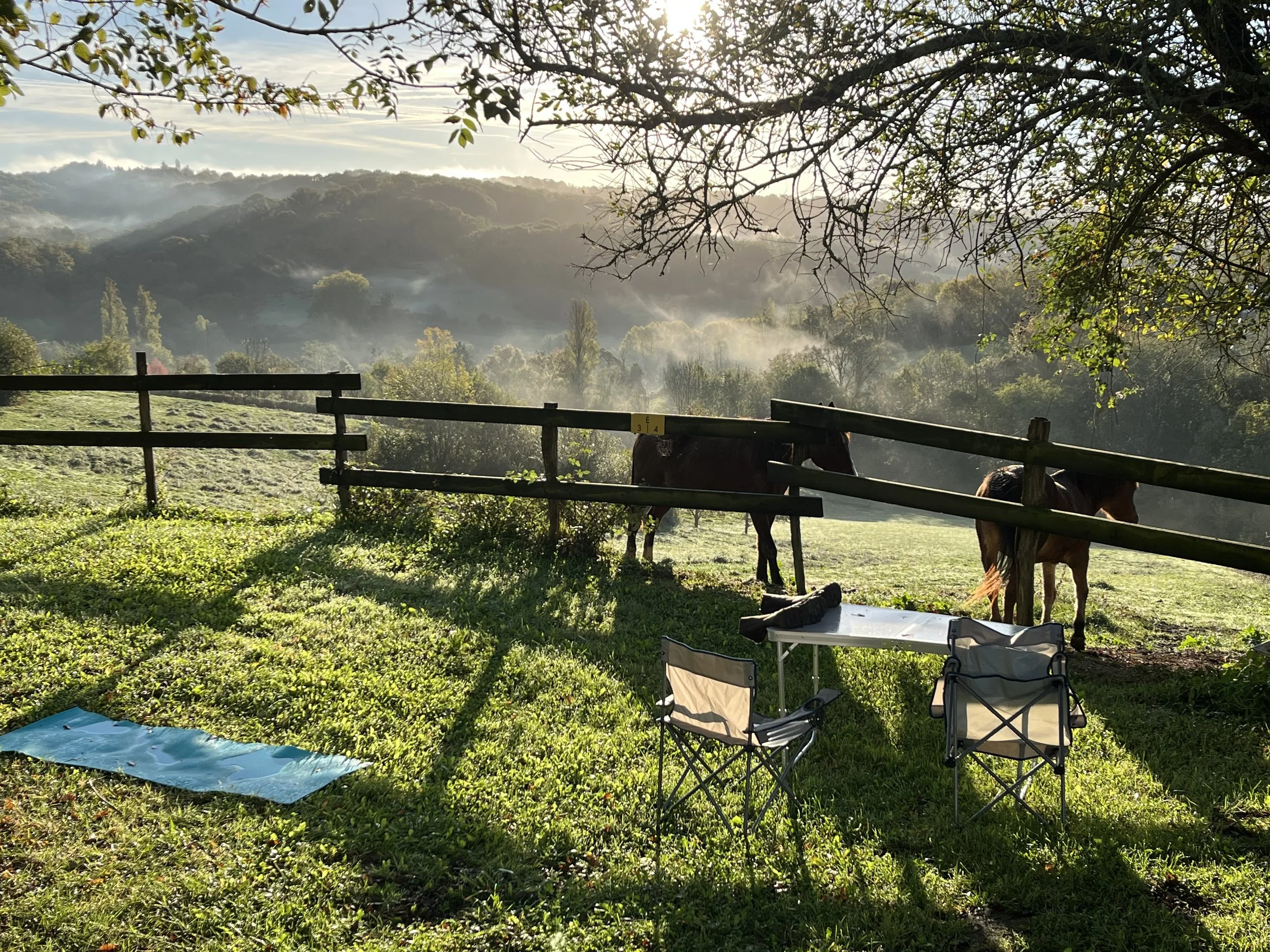
The book I’m writing was conceived in the foothills of the Pyrenees in southwestern France, an hour inland from Biarritz by car.
My caravan sits in a privileged location and every day, I'm aware of the weather, reading the clouds by their colour and direction. There are horses, chickens, and geckos that scurry away when I approach. A mottled toad shelters in the awning.
I lead a life here of simple pleasures and achievable challenges, and a life for the most part free of pain. In the mornings, I walk to the showers in my dressing gown, I cook for myself and shop when I need to, choose when I wake and when I sleep, what I read and what I do.
When I found Domaine d'Esperbasque, I knew this was the right place to start thinking about a project that will soon take me from here to the ancient world.
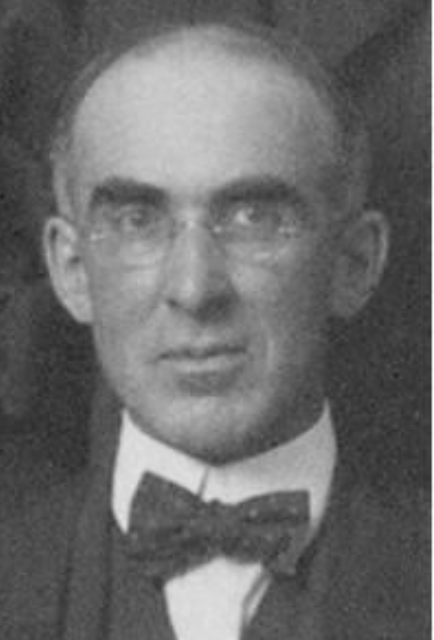
I’d like to introduce you to Norman Wentworth DeWitt, a remarkable academic who will be my travelling companion, and i’m immensely grateful to him for agreeing to accompany me….here’s what Norman says about our ‘missing philosopher…’his was the only creed that attained the dimensions of a world philosophy.' For seven centuries, three before Christ and four after, De Witt says the philosophy 'command(ed) the devotion of multitudes of men.' It flourished, he says, 'among Greeks and barbarians alike' and he names Egypt, Syria, Italy, and Gaul as examples.
' The man himself was revered as an ethical father, a savior, and a god. Men wore his image on finger-rings; they displayed painted portraits of him in their living rooms; the more affluent honored him with likenesses in marble.'
Can you guess the lost philosopher’s name?
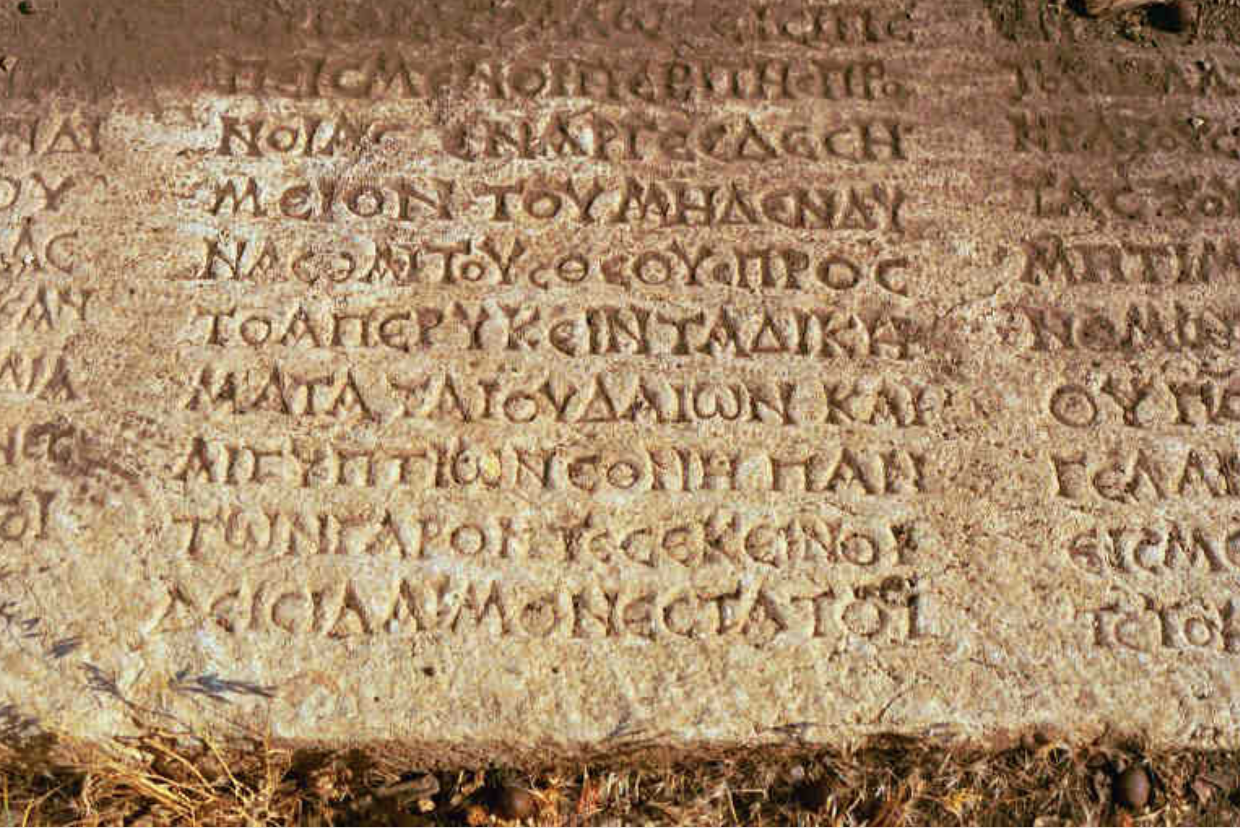
The story I want to tell begins on another hilltop in another country altogether, and another time - the 2nd century CE – and the first clue in the form of a monumental inscription of 25000 words in Greek, hand carved into blocks of stone that once made up a wall eighty metres long and three and a half metres high.
The inscription, said to be the longest to have come down to us from antiquity, describes a way of life that brings with it pleasure, freedom from pain, and peace of mind. It was written around 120 – 130 CE and the letters were picked out in red paint for all to see. The message is a promise to reveal the secret of how to live like the gods…and keep your feet on the ground.